Due Diligence for Private Equity: What Investors Must Verify Before Closing

Private equity due diligence checklist review by investors before deal closin

Due diligence for private equity is much more comprehensive and forward-looking than standard corporate checks. While regular due diligence mainly focuses on basic financial and legal compliance, PE due diligence takes a deeper and more rigorous approach. As private equity enters a more disciplined phase, due diligence has become more structured, proactive, and forensic in nature, designed to validate the investment thesis and maximize returns at exit. 

Corporate Governance in India: Frameworks, Obligations and Best Practices

Corporate governance is more important today than ever before. Businesses face growing regulatory requirements, higher stakeholder expectations, and increased scrutiny from investors and the public. Strong corporate governance helps companies manage risks effectively, maintain transparency, and build long-term trust. It is no longer just a compliance requirement but a key factor that supports sustainable growth and business stability.

What is Integrity Due Diligence?  A Complete Business Guide

Integrity due diligence investigation process overview for business partnerships

In today’s complex business environment, basic background checks and surface-level verifications are no longer sufficient. Traditional methods often miss hidden risks such as corruption, reputation issues, sophisticated fraud, and regulatory violations. With increasing cross-border deals, digital threats, and stricter regulations, organisations require deeper insights.

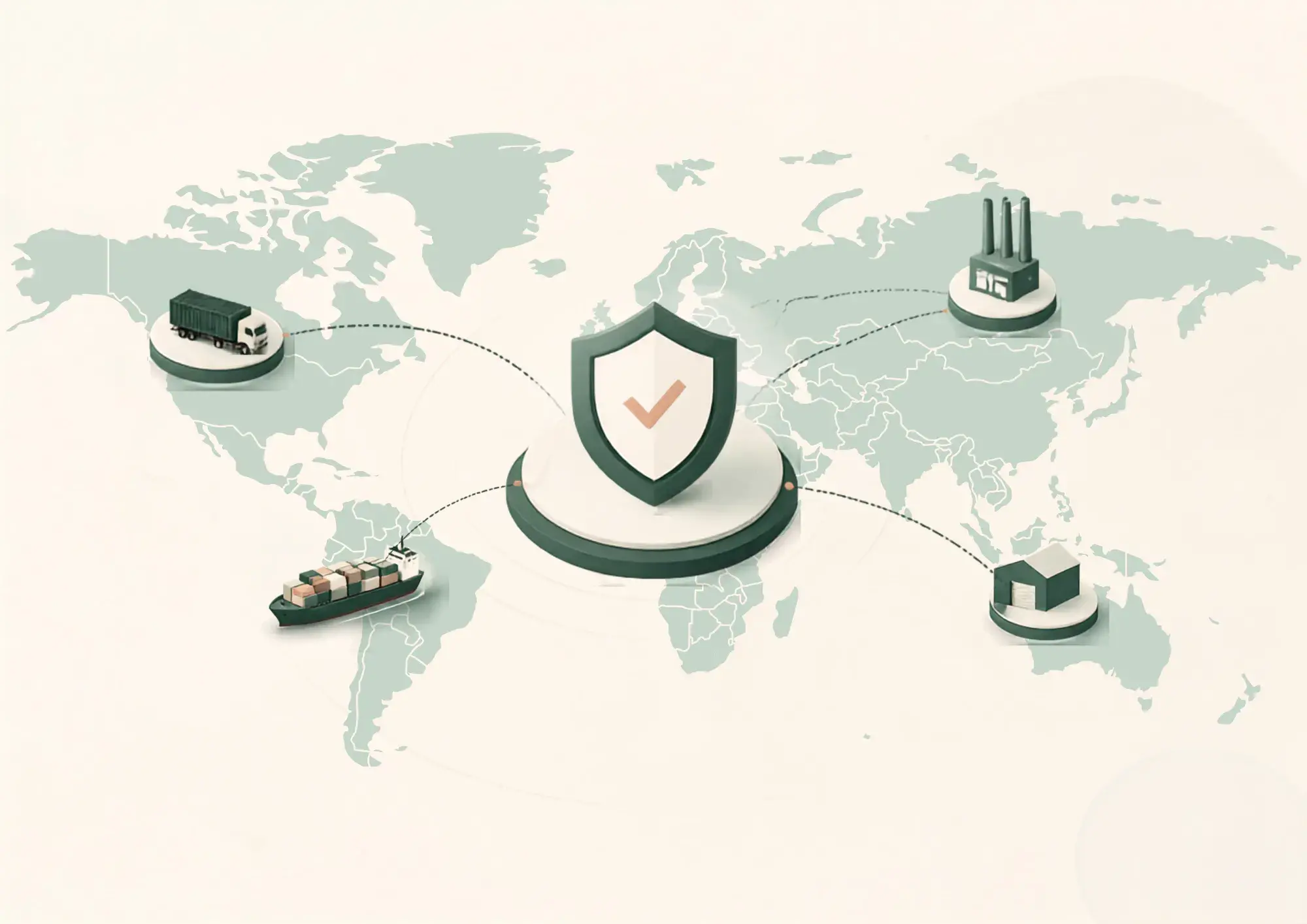
Uncovering Hidden Risks in Multi-Tier Supply Chains Through Integrity Due Diligence

Uncovering Hidden Risks in Multi-Tier Supply Chains Through Integrity Due Diligence

Supply chain risks have intensified for Indian businesses due to the ongoing West Asia crisis which includes a vital route for India’s energy imports, leading to repeated attacks on merchant shipping, raising fears of major disruptions to energy supplies. These disruptions have led to a decline in India’s export to the Middle East by ~US$3.5 billion in March.  India has called for building resilient supply chains with like-minded partners to ensure safe maritime transit.

 Strategic Role of Litigation Support in Corporate Disputes

Strategic Role of Litigation Support in Corporate Disputes

Legal costs for Indian companies surged in FY25, with top firms spending over US$7.3 billion on litigation, arbitration, regulatory filings, and compliance, which is an ~11% increase from the previous year. This rise reflects growing legal complexity, stricter regulations, and the escalating financial impact of corporate disputes. The increasing scale and sophistication of corporate disputes mean that even minor errors or oversights can have a significant financial and reputation impact. This makes timely, accurate, and strategic legal planning more critical than ever before.

The Rising Threat of Counterfeiting: Strategies for Global Trade Compliance

The Rising Threat of Counterfeiting: Strategies for Global Trade Compliance

Counterfeiting continues to present a significant and evolving challenge within the global marketplace. It is the unlawful replication of goods with the intent to deceive consumers and exploit established brands. The issue spans multiple sectors, including fashion, electronics, pharmaceuticals, and luxury goods, and poses serious risks not only to economic stability but also to public health and safety. There is also a concomitant significant risk to both the tax and revenue receipts of the nation.

Regulation vs. Regulating: The Dynamic Duo Shaping Financial Compliance

Regulation vs. Regulating: The Dynamic Duo Shaping Financial Compliance

In 2024, regulatory failures had cost companies over US$4.5 billion in fines. This led senior management to rethink compliance as a necessity and forced companies to change and evolve from considering ‘regulating’ as an active verb rather than a noun. Both regulation and regulating impact compliance by creating a legal and procedural framework, within which organisations must operate to meet required standards and avoid penalties.

Due Diligence on Independent Directors | Board Governance

In today’s corporate environment, the consequences of inadequate due diligence before appointing independent directors can be material.  In 2025 the resignation of an independent director over governance concerns caused a major drop of 12.8% in a listed company’s shares. This highlights why thorough due diligence on independent director is essential in ensuring that they bring true independence, expertise, and integrity to the board.