PEP Screening & Watchlist Screening: A Practical Guide for Compliance Teams

PEP and Watchlist Screening

As financial crime risks become more sophisticated, organizations face increasing pressure to strengthen their compliance frameworks. In India, regulators continue to emphasize robust due diligence, sanctions screening, and anti-money laundering (AML) controls.
In this environment, PEP and watchlist screening have become essential for identifying high-risk individuals and entities before establishing or maintaining business relationships.
What Is UBO? Understanding Ultimate Beneficial Ownership in Corporate Structures

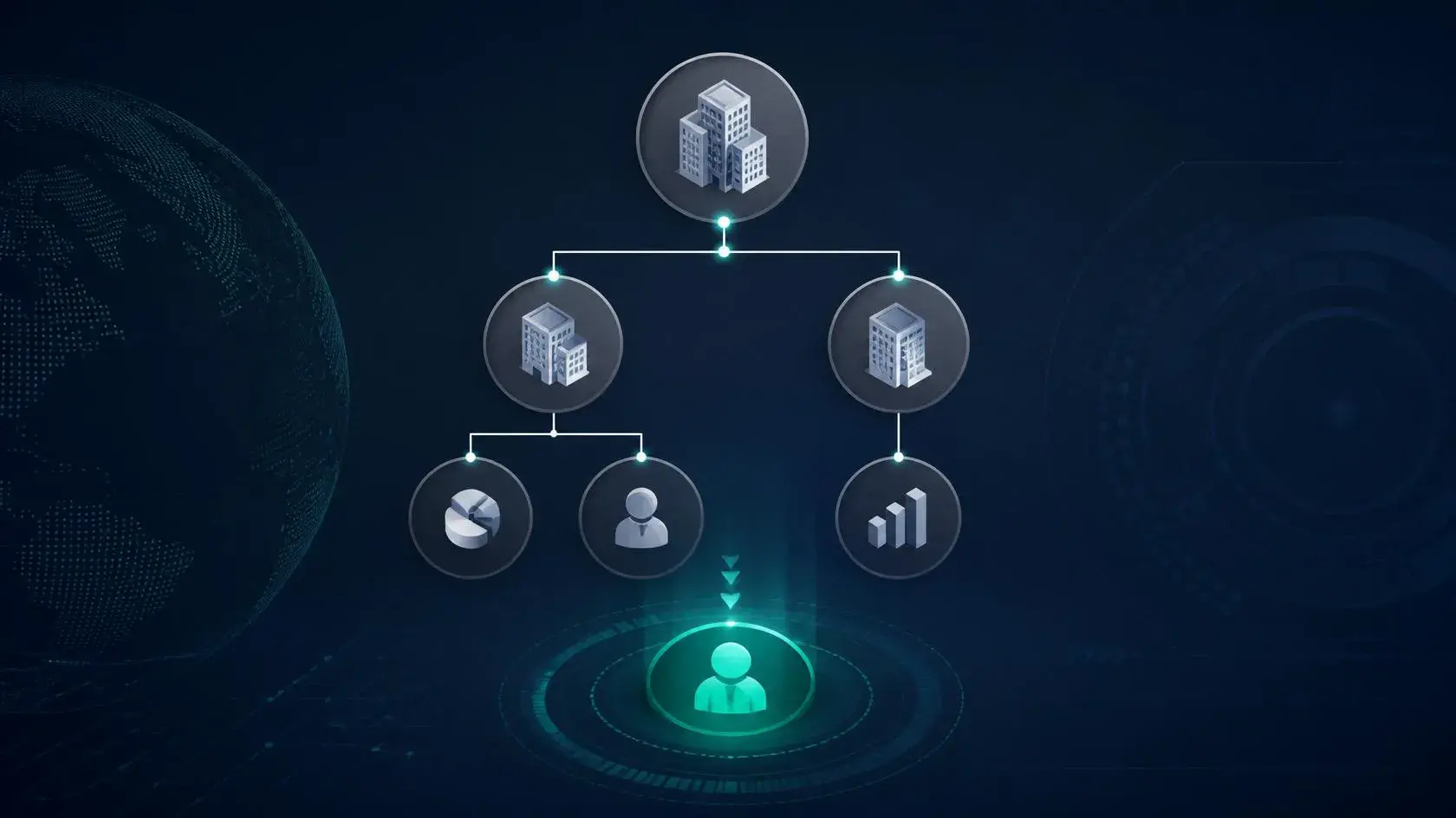
In a complex business environment, identifying the true owner becomes important. Beneficial ownership transparency has become a priority for governments, regulators, banks, and investors. These institutions are paying closer attention to understanding who really owns, controls operation and benefits from the organization. Hidden ownership is used to conceal ownership, money laundering, tax evasion, and terrorism financing. Many international regulatory bodies emphasize assessing beneficial ownership while entering a business to mitigate the risk of financial crime and improving accountability.

FCPA Compliance for Indian Companies Operating Internationally

FCPA Compliance Guide for Indian Companies

In today’s interconnected business environment, anti-corruption compliance is no longer limited by geography. Even though the Foreign Corrupt Practices Act (FCPA) is a U.S. anti-bribery law, its broad jurisdictional reach means that Indian companies can also fall within its scope through overseas operations, third-party intermediaries, or business activities linked to the United State.

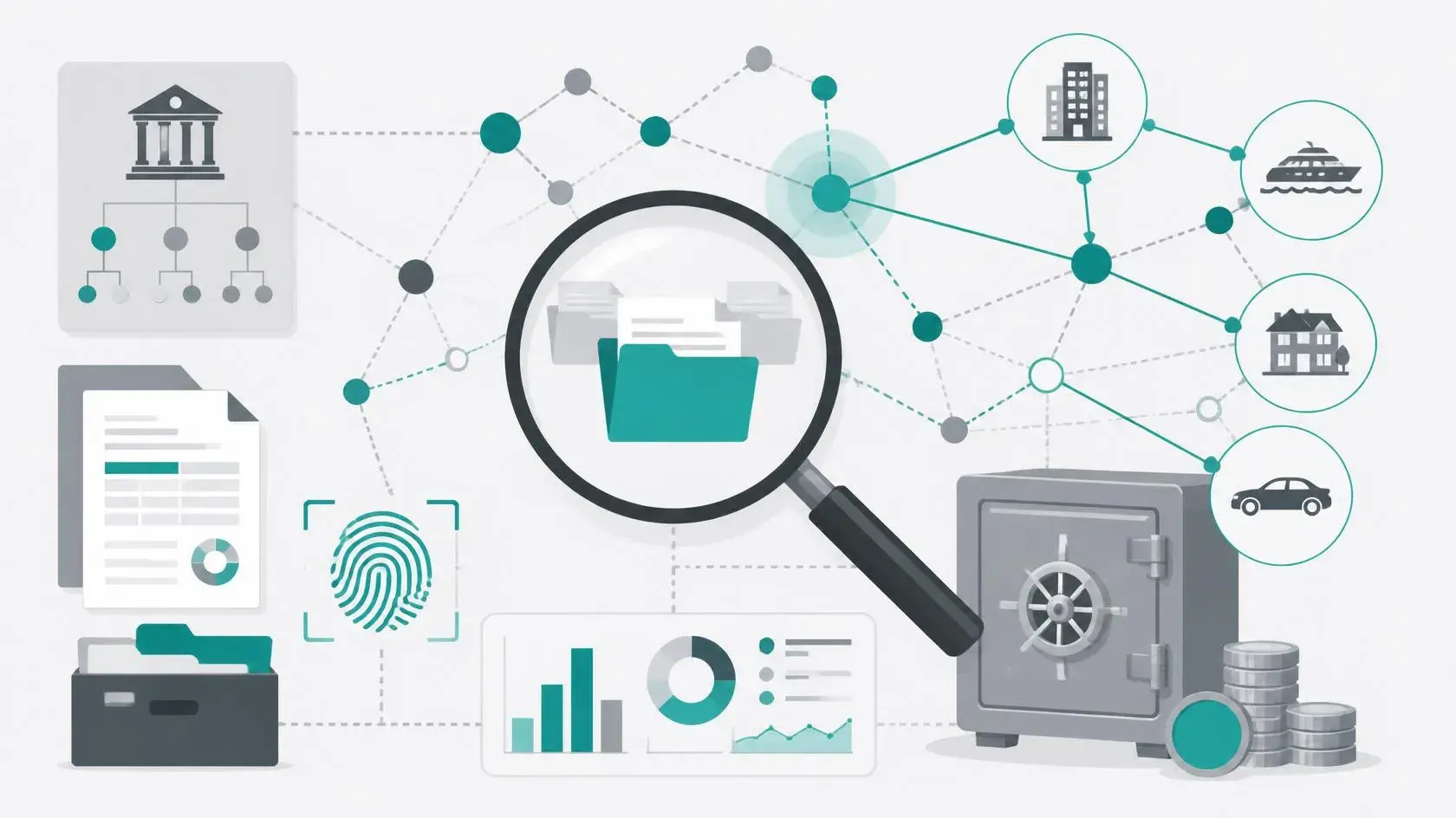
Hidden Asset Discovery: How Investigators Trace Concealed Wealth

Asset concealment or the deliberate hiding or obscuring of ownership, control, or value of assets is far more widespread than most businesses assume. While often associated with major fraud or corruption cases, it frequently exists in subtle, legally grey, and sophisticated forms embedded within everyday corporate structures. The real risk for businesses lies in underestimating how easily concealment can occur within routine operations, governance gaps, or complex ownership arrangements.

Due Diligence for Private Equity: What Investors Must Verify Before Closing

Private equity due diligence checklist review by investors before deal closin

Due diligence for private equity is much more comprehensive and forward-looking than standard corporate checks. While regular due diligence mainly focuses on basic financial and legal compliance, PE due diligence takes a deeper and more rigorous approach. As private equity enters a more disciplined phase, due diligence has become more structured, proactive, and forensic in nature, designed to validate the investment thesis and maximize returns at exit. 

Corporate Governance in India: Frameworks, Obligations and Best Practices

Corporate governance is more important today than ever before. Businesses face growing regulatory requirements, higher stakeholder expectations, and increased scrutiny from investors and the public. Strong corporate governance helps companies manage risks effectively, maintain transparency, and build long-term trust. It is no longer just a compliance requirement but a key factor that supports sustainable growth and business stability.

What is Integrity Due Diligence?  A Complete Business Guide

Integrity due diligence investigation process overview for business partnerships

In today’s complex business environment, basic background checks and surface-level verifications are no longer sufficient. Traditional methods often miss hidden risks such as corruption, reputation issues, sophisticated fraud, and regulatory violations. With increasing cross-border deals, digital threats, and stricter regulations, organisations require deeper insights.

Uncovering Hidden Risks in Multi-Tier Supply Chains Through Integrity Due Diligence

Uncovering Hidden Risks in Multi-Tier Supply Chains Through Integrity Due Diligence

Supply chain risks have intensified for Indian businesses due to the ongoing West Asia crisis which includes a vital route for India’s energy imports, leading to repeated attacks on merchant shipping, raising fears of major disruptions to energy supplies. These disruptions have led to a decline in India’s export to the Middle East by ~US$3.5 billion in March.  India has called for building resilient supply chains with like-minded partners to ensure safe maritime transit.